1.Introduction to Glass Enclosures and Walls
Glass enclosures and traditional walls both define spaces in BC homes, but they serve very different purposes—especially for Vancouver-area homeowners transforming patios into year-round retreats or opening interiors for modern flow. If you’re comparing glass enclosures and walls amid rainy seasons and strata rules, this guide is your roadmap. Glass enclosures use tempered or laminated panels (often 10-15mm thick) in frameless, framed, or sliding setups to create transparent barriers for showers, patios, balconies, stairwells, or partitions, letting light flood in while maintaining structure. Traditional walls, like drywall, wood panels, or brick, offer solid opacity for privacy and insulation but can make spaces feel closed off in compact Lower Mainland condos.
At Stan Glassworks, North Vancouver-based experts in custom glass enclosures for residential, multi-family, and commercial projects, we’ve seen how glass turns dim patios into bright extensions and interiors into airy sanctuaries— all with CWB-certified fabrication meeting BC Building Code seismic and safety standards. This ~3500-word comparison targets you: beginners weighing options for a Squamish patio shield or West Van shower surround, facing challenges like hard water stains, costs ($5K–$25K), or maintenance. We’ll unpack pros/cons, costs, safety, and real BC applications, answering top Reddit/forum questions so you confidently choose (or hybridize) what fits your budget, climate, and lifestyle. By the end, you’ll know if glass’s wow-factor trumps walls’ simplicity—or how to blend them via our on-site consults.
2.Why Compare Them in Vancouver Homes
Patio vs. Interior Needs
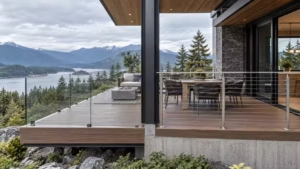
Vancouver patios crave weather barriers without blocking mountain views, while interiors demand light-sharing partitions for open-concept kitchens or stairwells—glass excels here, walls prioritize soundproofing/privacy.
BC Climate/Code Factors
Endless rain, hard water, and seismic activity test materials: Glass needs UV/scratch coatings; walls avoid leaks but trap humidity. BC Code requires tempered glass for safety, strata approvals for multi-family—key for Lower Mainland upgrades boosting resale 5-10%.
This sets the stage: Glass enclosures revolutionize space; walls anchor it. Next, define each clearly.
3.What Are Glass Enclosures?
Glass enclosures are custom-engineered systems using safety-tempered or laminated glass panels, mounted in frames or frameless setups, to create semi-open barriers that maximize light and views in BC homes. Ideal for Vancouver patios shielding from rain while preserving ocean glimpses, or North Van interiors dividing spaces without darkness, they’re fabricated in-house at Stan Glassworks with precise cuts for seamless integration into steel/aluminum structures—all meeting BC Building Code’s impact resistance (e.g., 10-15mm thickness min.).
Key types include:
-
- Framed Glass Enclosures: Aluminum or steel channels hold panels securely; durable for high-wind Squamish patios, easier/cheaper installs ($150–$300/sq m), but slightly less open feel.
-
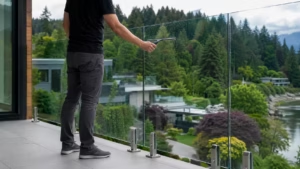
- Frameless Glass Enclosures: Edge-clamped or channel-fixed with minimal hardware; ultra-modern for West Van showers/stairwells, pricier ($250–$450/sq m) but widest sightlines and luxury appeal.
-
- Sliding/Folding Glass Enclosures: Stackable panels on tracks; perfect for flexible patio-to-indoor transitions in Lower Mainland condos, with motorized options for strata accessibility.
These outperform walls in light transmission (90%+), turning compact spaces airy—though cleaning demands care in hard-water areas.
4.Traditional Walls: The Reliable Baseline
Traditional walls form solid, opaque barriers using everyday materials for privacy, insulation, and sound-blocking in Vancouver homes—think drywall in interior partitions or brick exteriors on patios. They’re the go-to for budget builds, easy repairs, and full seclusion, but often shrink light-dependent rainy-day vibes in tight Whistler chalets or multi-family units.
Common types:
-
- Drywall Walls: Gypsum boards on wood/metal studs; affordable ($50–$100/sq m), paintable for interiors, but prone to mold in humid BC without vapor barriers.
-
- Wood Panel Walls: Cedar or pine tongue-and-groove; warm aesthetics for cozy patios, naturally insulating but warps/swells in endless Lower Mainland rain.
-
- Brick/Concrete Walls: Masonry for durable outdoor enclosures; windproof/sound-deadening, heavy-duty for seismic zones, yet costly ($150–$250/sq m) and view-blocking.
Walls anchor reliability; glass elevates openness. Now, explore why glass often wins for modern BC lifestyles.

5.Top Pros of Glass Enclosures Over Walls
Unmatched Light and Openness
Glass enclosures flood Vancouver patios and interiors with natural light—up to 90% transmission vs. walls’ near-zero—banishing gloomy BC winters and expanding perceived space in compact North Van condos. Picture a Squamish deck feeling twice as large, views uninterrupted, perfect for indoor-outdoor living without the claustrophobia of solid brick.
Premium Modern Aesthetics
Frameless glass delivers a sleek, high-end look that boosts property appeal, aligning with 2026 trends for open-concept multi-family lobbies or West Van shower surrounds. Unlike paint-fading drywall, glass stays pristine, pairing with aluminum frames from Stan Glassworks for custom luxury that screams contemporary—ideal resale magnet in hot Lower Mainland markets.
Pros make glass tempting; but weigh the trade-offs next to decide wisely.
6.Key Cons of Glass Enclosures vs. Walls
Cleaning and Privacy Challenges
Glass shows every fingerprint, rain streak, and hard-water spot from Vancouver’s tap—weekly scrubbing vs. walls’ occasional wipe-down. Privacy? Clear panels expose interiors unless frosted/etched (extra $50/sq m), while walls offer instant seclusion for family patios or stairwell partitions.
Higher Initial Investment
Upfront: $200–$500/sq m installed vs. walls’ $50–$250/sq m. Custom fab for seismic-compliant tempered glass hikes costs, though Stan Glassworks’ in-house precision cuts long-term headaches like leaks.
7.Cost Breakdown: Glass vs. Walls
Upfront and Long-Term Pricing
| Feature | Glass Enclosures | Traditional Walls |
|---|---|---|
| Cost/sq m (2026 BC) | $200–$500 (frameless highest) | $50–$250 (drywall cheapest) |
| Install Time | 2-5 days (custom) | 1-3 days (standard) |
| Lifespan | 20-30+ years | 10-25 years (mold-prone) |
Glass premiums pay off via energy savings (passive solar) and no demo costs for renos.
ROI for BC Resales
In Vancouver, glass adds 5-8% value ($20K+ for patios) by modernizing spaces—walls maintain baseline. Free consults reveal hybrids balancing budgets.
Costs compared; safety seals the deal next.
8.Safety and Durability Face-Off
Seismic/Weather Resilience
BC’s seismic Zone D and relentless Vancouver rain demand tough materials: Tempered/laminated glass enclosures (10-15mm, safety-tested to shatter into pebbles) flex without cracking, far safer than brittle drywall walls that crumble in quakes. Framed glass with aluminum/steel from Stan Glassworks anchors securely, shrugging off 100+ km/h winds on Squamish patios—walls like brick hold weight but trap moisture, breeding mold.
Family and Pet Safety
Laminated panels prevent falls through (unlike gaps in some walls), with frosted options hiding clutter while kid-proof edges avoid injuries. Walls win for sound-blocking but lack glass’s visibility for supervising play areas. Our CWB-certified installs ensure code-compliant railings/integrations for multi-family peace.
Safety favors glass for modern risks; maintenance tells the daily story.
9.Maintenance: Realities Compared
Glass Care in Rainy Vancouver
Glass demands more: Bi-weekly microfiber + vinegar sprays tackle hard-water spots (common in Lower Mainland); avoid ammonia to protect coatings. Seals need annual checks to prevent leaks—far more involved than walls’ paint touch-ups.
Wall Simplicity vs. Repairs
Drywall patches mold cheaply ($100/sq m), wood refinishes yearly, brick power-washes easily—but all hide issues until structural failure. Glass stays visible/cleaner long-term with pro tips from us, cutting surprise costs 50% via early detection.
| Maintenance | Glass | Walls |
|---|---|---|
| Frequency | Weekly-monthly | Quarterly |
| Cost/Year | $200–$500 | $100–$300 |
Maintenance manageable; see where each shines in use.
10.Best for Patios: Extending Your Space
Wind/UV Protection
Sliding glass enclosures block Lower Mainland gales (rated 120 mph) and UV rays (low-E coatings cut 99% fade), turning rainy decks into dry havens—walls fully enclose but block views entirely.
Year-Round Usability
Open in summer, close for Whistler winters; extends living space 20-30% vs. static patio walls, boosting BBQs and resale.
Patios transformed; interiors next for flow.
11.Best for Interiors: Open Floor Plans
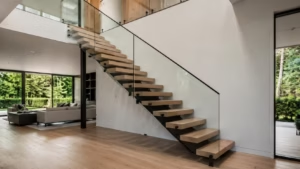
Glass enclosures shine inside Vancouver and North Shore homes where you want separation without sacrificing light or sightlines. Instead of building solid drywall that chops up an already compact floor plan, interior glass walls let daylight travel from windows through kitchens, living rooms, and stairwells, making condos and townhomes feel larger and more connected. This is especially valuable in BC’s grey months, when every extra bit of natural light improves comfort and perceived space. Stan Glassworks can integrate fixed or sliding glass enclosures around staircases, home offices, or flex rooms so you gain defined zones without losing the airy feeling buyers now expect.
Partitions and Stairwells
Glass partitions work well between kitchen and dining, living room and home office, or around stairwells where safety and visibility both matter. They allow parents to supervise kids from another room, keep pets in or out of certain areas, and still enjoy a clean, modern look that pairs nicely with metal railings and contemporary finishes. For stairwells, switching from a solid wall to glass can dramatically brighten the core of a house and showcase custom railings or treads.
Strata and Commercial Rules
In multi-family or strata buildings, glass enclosures often fit design guidelines that favour consistent exteriors and high-end finishes, while still respecting fire and egress codes when correctly detailed. Offices, lobbies, and amenity rooms also benefit from glass walls that support open, flexible layouts and can be reconfigured more easily than solid partitions, reducing renovation waste over time. Stan Glassworks coordinates with local requirements and engineers so your enclosure looks great and passes approvals the first time.
12.2026 Trends: Future-Proof Choices
Glass design in 2026 is moving toward smarter, cleaner, and more sustainable solutions that fit perfectly with how BC homeowners now live and work. Interior custom glass partitions are increasingly used to define home offices and studios while keeping open-concept aesthetics, driven by remote and hybrid work patterns. Frosted and textured glass are trending as ways to regain privacy without going back to full walls, giving you soft light with almost complete visual screening where needed. For patios and large openings, slim-frame and multi-panel sliding glass wall systems continue to blur the line between indoors and outdoors, a look that works especially well with Vancouver’s views and West Coast modern architecture.
Smart glass is also becoming more accessible: PDLC dimmable panels can switch from clear to opaque at the touch of a button or via an app, offering on‑demand privacy for bathrooms, bedrooms, or street-facing spaces. This lets you enjoy openness during the day and instant seclusion at night without curtains or blinds cluttering the design. Sustainability is another key driver: energy‑efficient glazing, low‑E coatings, and even recycled-content glass help reduce heating/cooling loads and environmental impact while qualifying for more future‑oriented, eco-conscious upgrades.
For Stan Glassworks, these trends translate into more requests for frameless or slim-framed enclosures, frosted partitions for home offices, and larger custom panels tailored to unique openings rather than off‑the‑shelf units. By choosing systems that support these 2026 directions, your investment will feel current for longer, increasing both day‑to‑day enjoyment and long‑term resale appeal in the Lower Mainland and beyond.
13.Installation Essentials: Get It Right the First Time
A glass enclosure can look perfect on paper but fail in real life if the installation isn’t planned for Vancouver’s rain, wind, and seismic requirements. Traditional walls are more forgiving of small errors, but glass demands millimetre‑level precision, proper anchoring into solid structure, and the right hardware and sealants for BC’s coastal climate. For patios and interiors alike, the biggest differences between a flawless glass project and a problematic one usually show up at the planning and measuring stage, which is why Stan Glassworks relies on on‑site consultations, detailed site checks, and in‑house fabrication instead of one‑size‑fits‑all kits.
Common Mistakes to Dodge
The most frequent issues with glass enclosures include measuring to finished walls instead of structure (leading to gaps or binding panels), under‑specifying glass thickness or hardware for wind/seismic loads, and using generic sealants that fail under UV and BC rain. Poor slope or drainage on patio slabs can let water pool under tracks and leak inside, while misaligned channels or hinges cause doors to drag, scrape, or stress the glass over time. With traditional walls, typical mistakes are less catastrophic—crooked studs or poorly sealed vapor barriers may cause cracks or moisture issues, but they rarely pose the same immediate safety risks as mis‑installed glass near edges or drop‑offs.
Our Custom Process at Stan Glassworks
To avoid these pitfalls, Stan Glassworks follows a clear process: on‑site assessment and accurate measurements, review of structural conditions and code/strata requirements, custom fabrication of glass and metal components, then professional installation with CWB‑certified work where steel or aluminum frames are involved. For Vancouver patios, we pay special attention to drainage, expansion gaps, and wind loads; for interiors, we coordinate with existing finishes and stair/railing layouts so everything aligns cleanly and safely. This approach reduces the chance of leaks, rattles, or callbacks and gives you a glass enclosure—or combination of glass and traditional walls—that performs as well as it looks for years in BC’s demanding conditions.
Conclusion: Choosing What Works Best for Your BC Home
Choosing between glass enclosures and traditional walls in Vancouver and across BC isn’t about which option is “perfect,” but which one fits your space, climate, budget, and lifestyle best. Glass enclosures excel when you want more light, visual openness, and a modern, high‑end feel—especially on patios, balconies, stairwells, and interior partitions where views and spaciousness matter. They turn dark corners into bright focal points, extend patios into almost year‑round living areas, and support flexible, open‑concept layouts that buyers increasingly expect in the Lower Mainland and Sea‑to‑Sky corridor. Traditional walls, on the other hand, remain the reliable baseline when you need maximum privacy, sound insulation, or the simplest, most budget‑friendly way to divide rooms.
So Consider the tips below before you choose between glass enclosures and walls:
-
- Think about function first (patio vs. interior, privacy vs. openness).
-
- Factor in BC’s climate and codes (rain, hard water, seismic loads, strata rules).
-
- Weigh upfront cost vs. long‑term value (energy efficiency, resale appeal, maintenance).
-
- Don’t overlook installation quality—glass demands precise measurement, proper hardware, and experienced installers to avoid leaks, rattles, and safety risks.
For many BC homeowners, the “right” answer is a hybrid: glass where you want light and connection, traditional walls where you need quiet and seclusion. This is where a custom approach makes the biggest difference. At Stan Glassworks, we help you decide when glass truly outperforms a wall, how to handle privacy and maintenance, and how to integrate everything cleanly with your existing structure and local regulations. If you’re considering a patio enclosure, interior glass wall, or a mix of both, the best next step is a tailored conversation on site—so your final design feels intentional, safe, and future‑proof for how you actually live in your BC home.