1.Introduction to Staircase Materials
Staircases are more than just a way to move between floors—they’re focal points that boost safety, style, and your home’s value in British Columbia’s unique environment. For BC homeowners searching for custom staircase guides, whether planning a new build in North Vancouver, a retrofit in the Lower Mainland, or maintenance tips for rainy climates, choosing between glass, steel, or aluminum comes down to balancing aesthetics, durability, and local building codes. At Stan Glassworks, we specialize in designing, fabricating, and installing these materials for residential, multi-family, and commercial projects, drawing from our CWB-certified expertise to ensure every staircase fits BC’s seismic and weather demands.
This comprehensive guide targets you: the homeowner googling “best staircase materials for Vancouver homes” or “glass vs steel stairs BC costs.” We’ll walk you through each material’s pros and cons, real-world applications, and answers to your top questions—like safety for kids, rust resistance in coastal areas, and 2026 pricing. By the end, you’ll know how to select and maintain a staircase that enhances your property while meeting BC Building Code standards. Whether you’re dreaming of a light-filled glass spiral in Whistler or a sturdy steel straight-run for a Squamish multi-family, we’ve got the local insights to help.
2.Why Material Choice Matters in BC
Climate and Code Challenges
BC’s wet, seismic-prone climate demands materials that resist corrosion, slips, and earthquakes—think constant rain in Vancouver or snow in Whistler. Glass offers transparency but needs tempering for strength; steel provides unbeatable load-bearing but requires coatings against rust; aluminum shines for lightweight corrosion resistance without heavy maintenance. Poor choices lead to costly repairs, like rusted steel in coastal Squamish or slippery glass treads during winter.
Impact on Home Value
In North Vancouver’s hot resale market, modern materials like frameless glass or sleek aluminum can add 5-10% to your home’s value by creating open, contemporary feels that appeal to buyers. Custom installs from local experts like us ensure code compliance, avoiding fines and boosting appeal for multi-family developments or luxury residences.
This foundation sets the stage: understanding why these materials thrive in BC helps you evaluate options confidently. Next, dive into glass staircases for that airy modern vibe.
3.Glass Staircases: Pros, Cons, and Best Uses
Key Pros: Light, Modern Aesthetics
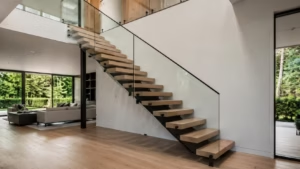
Glass staircases flood BC homes with natural light, perfect for combating gloomy Vancouver winters and creating seamless indoor-outdoor flows in West Vancouver residences. Frameless or channel-fixed designs using 12-21.5mm tempered/laminated glass offer a minimalist, luxurious look that maximizes space in compact Lower Mainland condos. They’re hypoallergenic, easy to wipe clean of pet hair, and pair beautifully with wood treads for hybrid styles trending in 2026.
Main Cons: Maintenance and Cost
The biggest drawback? Fingerprints and smudges show easily, requiring frequent microfiber cleaning—especially with BC’s dust and rain tracking indoors. Initial costs run $300–$500 per linear foot for custom installs, higher than metal due to precision fabrication. They’re also noisier underfoot without underlays.
Perfect BC Fit
Ideal for modern single-family homes or multi-family lobbies where openness sells. At Stan Glassworks, we’ve installed glass treads and railings in North Vancouver projects, ensuring UV-resistant etching for slip-proofing and code-compliant supports. If you search “glass staircase ideas Vancouver,” envision light-enhancing spirals that comply with BC’s egress rules.

4.Steel Staircases: Strength and Versatility
Stainless vs. Carbon Steel
Stainless steel (304/316 grade) resists BC’s coastal corrosion better than carbon steel, which needs galvanizing or powder-coating for longevity. Both offer industrial chic, from brushed finishes to powder-coated colors matching your Squamish cabin’s vibe.
Durability in Rain
Steel handles heavy traffic and seismic loads effortlessly, with yield strengths up to 50,000 PSI—vital for multi-family developments. In rainy Lower Mainland, marine-grade stainless shrugs off moisture, outlasting wood that warps.
Custom Design Options
Bend it into curves, spirals, or floating treads; integrate cable infills for a semi-open feel. Costs: $250–$450/ft. Our CWB-certified welds ensure precision for Whistler resorts or Vancouver commercial spaces.
5.Aluminum Staircases: Lightweight and Practical
Corrosion Resistance
Anodized or powder-coated aluminum won’t rust in salty Squamish air, making it a top pick for outdoor/indoor hybrids. It’s 1/3 steel’s weight, easing retrofits in older North Vancouver homes.
Ideal for Retrofits
Low thermal conductivity keeps it cool underfoot; extrusions allow sleek profiles without bulky supports. Great for budget-conscious families seeking modern without steel’s heft.
Affordable Modern Style
At $200–$350/ft, it’s the value leader, customizable in matte blacks or whites. Stan Glassworks fabricates aluminum-glass combos for seamless BC code compliance.
With materials introduced, let’s compare them side-by-side to clarify your choice.
6.Glass vs. Metal: Head-to-Head Breakdown
Aesthetics and Space Feel
| Feature | Glass | Steel | Aluminum |
|---|---|---|---|
| Light Flow | Excellent (open views) | Moderate (solid frames) | Good (slimmer profiles) |
| Style | Ultra-modern, invisible | Industrial bold | Sleek contemporary |
| Weight per ft | Medium (heavy panels) | Heavy | Lightest |
Mixing Materials Successfully
Combine glass treads with steel risers for strength + light, or aluminum frames with glass panels—common in our West Vancouver portfolios. Ensures code-compliant hybrids without weak points.
7.Steel vs. Aluminum: The Durability Debate
Rust and Weight Factors
| Aspect | Steel | Aluminum |
|---|---|---|
| Corrosion Resistance | Good (coated stainless); rusts if untreated | Excellent (naturally forms oxide layer) |
| Weight (per sq ft) | 40-50 lbs (sturdy) | 10-15 lbs (easy handling) |
| BC Climate Suitability | Coastal with 316-grade | All areas, esp. wet retrofits |
Steel edges out for ultimate strength in high-traffic multi-family builds, but aluminum’s rust-proof nature suits rainy Whistler exposures without added coatings.
8.Installation Differences
Steel’s heft requires more supports and skilled welding (our CWB specialty), while aluminum’s lightness speeds retrofits—ideal for Vancouver heritage homes needing minimal demo. Both meet BC seismic codes, but aluminum flexes better under stress.
Choose steel for bold, load-heavy designs; aluminum for effortless, low-maintenance installs. With comparisons clear, budgeting becomes your next key step.
9.Cost Guide: Budgeting Realistic Expectations
2026 Pricing Per Material
Expect $200–$500 per linear foot installed in BC, varying by design:
- Glass: $300–$500/ft (highest due to custom tempering/etching).
- Steel: $250–$450/ft (welding adds cost).
- Aluminum: $200–$350/ft (most affordable extrusion).
A 12-ft straight-run staircase for a North Vancouver home might total $4,000–$8,000, including railings.
Hidden Fees: Fabrication and Install
Add 20-30% for in-house fab (like ours), permits ($500+), and seismic engineering in Squamish/Whistler. On-site measures prevent costly reworks—free at Stan Glassworks.
10.Safety First: Meeting BC Building Codes
Slip Resistance and Load Requirements
BC Building Code (Part 9 for homes) mandates stair treads with min. 44″ railings, 3.2mm gaps max., and slip-resistant surfaces—R10+ rating for wet climates. Glass uses etched/frosted tempered panels (12-21.5mm thick, load-tested to 4x code); steel/aluminum frames bear 50+ PSF live loads, vital for seismic Zone D areas like Vancouver. All our installs pass inspections for multi-family or residences.
Kid/Pet-Friendly Protections
Rounded edges, non-climbable glass (laminated to shatter-proof), and steel’s grip-textured finishes prevent falls—key for Lower Mainland families. Aluminum’s smooth profiles get non-slip nosings; avoid clear glass without standoffs for pet safety.
CWB Certification Edge
Our Canadian Welding Bureau certification ensures steel/aluminum welds meet CSA standards, reducing failure risks by 30% vs. non-certified. This means safer, longer-lasting staircases for Whistler chalets or North Van homes—peace of mind backed by local expertise.
Safety checks out; now keep your investment pristine with smart care.
11.Maintenance Made Simple
Material-Specific Routines
- Glass: Weekly microfiber + glass cleaner (ammonia-free); avoid abrasives to prevent scratches. UV coating cuts fading in sunny Squamish.
- Steel: Monthly stainless polish for fingerprints; powder-coat yearly inspections.
- Aluminum: Soap-water rinse; anodizing self-heals minor scratches in rain.
BC Weather Prep
Winter salt demands prompt rinses to dodge corrosion; our post-install guides include seasonal checklists. Pro touch-ups (e.g., recaulking) every 2-3 years extend life 20+ years—cheaper than replacements.
Low effort yields high shine; next, get inspired by 2026 looks.
12. 2026 Trends and Real Project Inspiration
Hot Combos and Sustainability
Frameless glass-steel hybrids with LED underglow dominate Vancouver trends, blending light + strength. Aluminum-glass for eco retrofits (recyclable 100%) suits green BC codes; matte black finishes pair with oak treads.
Stan Glassworks Portfolio Spotlights
See our West Vancouver single-family glass spirals or North Van multi-family steel curves—transforming spaces with code-compliant magic that wows realtors.
Trends spark ideas; master installation next to make them real.
13. Installation Essentials: Avoid Pitfalls
Proper installation turns your chosen staircase material into a safe, stunning feature that elevates your BC home for decades. For Lower Mainland homeowners tackling retrofits or new builds, skipping corners here leads to sags, code violations, or safety hazards—issues we’ve seen (and fixed) in North Vancouver projects. At Stan Glassworks, our end-to-end process—from on-site measures to CWB-certified welding—ensures flawless results compliant with BC Building Code’s stringent seismic and egress rules.
Common Errors and How to Sidestep Them
Top pitfalls include undersized supports causing glass panels to flex or steel frames to bow under load—especially risky in seismic Zone D areas like Vancouver. Ignoring precise laser-leveling creates uneven treads, boosting slip risks in wet Whistler winters; poor railing alignments fail the 4″ sphere rule for kids/pets. Rushing measurements without accounting for floor settling leads to costly gaps, while skimping on weatherproof sealants invites corrosion in coastal Squamish installs. Always verify material expansion rates: aluminum shifts less than steel in temperature swings, preventing cracks.
Our Proven On-Site Process
We start with free consultations and 3D scans for exact fits, followed by in-house fabrication using premium glass (tempered to 21.5mm) or marine-grade metals. Installation crews handle seismic bracing, non-slip nosings, and cleanup in 1-3 days—minimal disruption for busy families. Post-install, we provide checklists and 2-year warranties, catching issues early. This precision has powered our West Vancouver single-family transformations and multi-family successes, saving clients thousands in rework
Conclusion: Choose Your Perfect Match
Imagine standing at the top of your dream staircase in a North Vancouver home, weighing options tailored to BC’s rainy charm and seismic reality. Answer these to find your match: Do you crave an airy, light-filled ascent that makes compact Lower Mainland spaces feel boundless (glass wins)? Need unyielding strength for a bustling multi-family entry or Whistler chalet with heavy boot traffic (steel delivers)? Or prioritize lightweight ease for a quick retrofit in an older Squamish residence without structural headaches (aluminum excels)? Tally your priorities—light vs. load, budget vs. bold—and hybrids often score highest, like our glass-tread steel frames that blend the best of both worlds. This simple quiz cuts through the overwhelm, guiding BC homeowners from “What material?” to “This is it!” in moments.
Book Your Free Consult
Ready for a custom BC staircase? Contact Stan Glassworks in North Vancouver for free on-site quotes—serving Lower Mainland to Whistler. Let’s build stairs that last.