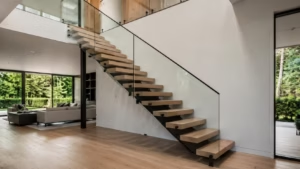
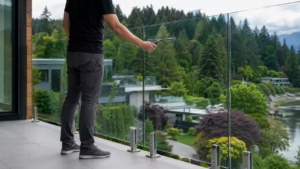
Glass railings create open sightlines and allow natural light to move through interior and exterior spaces. However, fingerprints, dust, rainwater, mineral deposits and residue can quickly make clear glass look cloudy or neglected.
Learning how to clean glass railing correctly is not simply about improving its appearance. Proper cleaning also helps protect adjacent frames, mounting components, sealants and finishes from residue that may build up over time.
At Stan Glassworks, we design, fabricate and install custom glass and metal systems for residential, multi-family and commercial properties. Although railing configurations vary, routine maintenance should always begin with gentle products, clean tools and methods that will not scratch the glass or damage the surrounding hardware.
The following process can be used for most interior and exterior glass railings. Before cleaning coated, tinted, etched or specialty glass, check the care instructions provided by the glass supplier or installer.
What Do You Need to Clean Glass Railings?
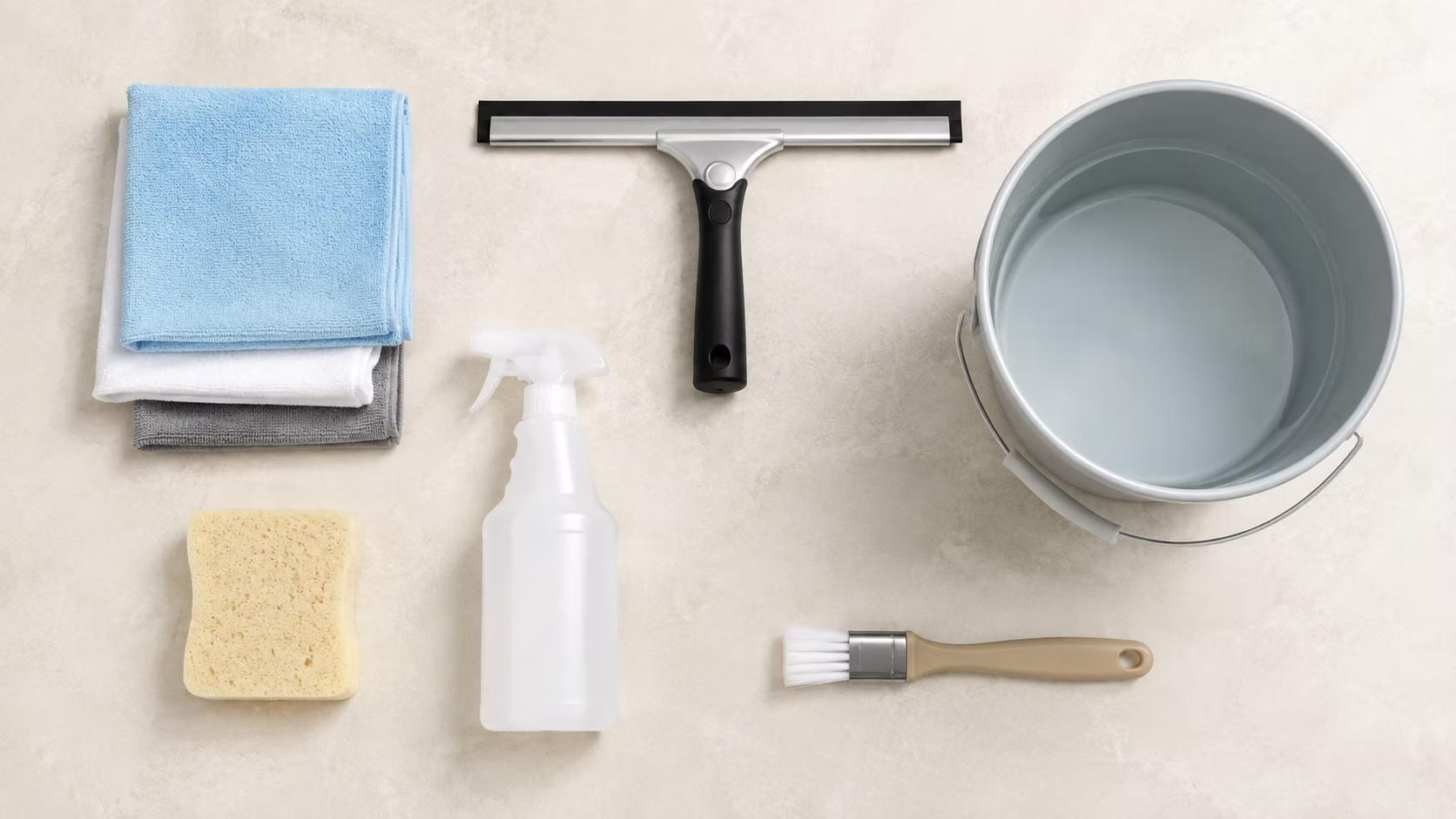
You do not need aggressive chemicals or abrasive equipment for routine glass railing maintenance. A simple collection of clean, glass-safe tools is usually sufficient.
Prepare the following items:
- A bucket of clean, lukewarm water
- Mild dish soap or a non-abrasive glass cleaner
- A soft sponge or non-abrasive applicator
- Clean microfiber cloths
- A rubber-blade squeegee
- A soft detailing cloth for frames and hardware
- A soft-bristle brush for narrow hardware gaps
- A spray bottle for diluted cleaning solution
- Dry towels to protect nearby floors and surfaces
For mineral deposits, you may also need diluted white vinegar or a product specifically approved for hard water stains on architectural glass. Always test an unfamiliar product on a small, inconspicuous area before applying it across the entire railing.
Use separate cloths for the glass and metal components. A cloth that has collected grit, metal particles or outdoor debris can scratch the glass if it is used on the panels.
Avoid steel wool, rough scrub pads, razor blades, metal scrapers and abrasive powdered cleaners. Even when the glass appears strong, trapped particles or sharp tools can leave permanent scratches.
If your railing includes coated glass, specialty finishes or custom hardware, review the original care instructions before choosing a cleaner. The appropriate method may depend on whether the railing is frameless, semi-framed, interior or exposed to exterior weather.
How to Clean Glass Railing
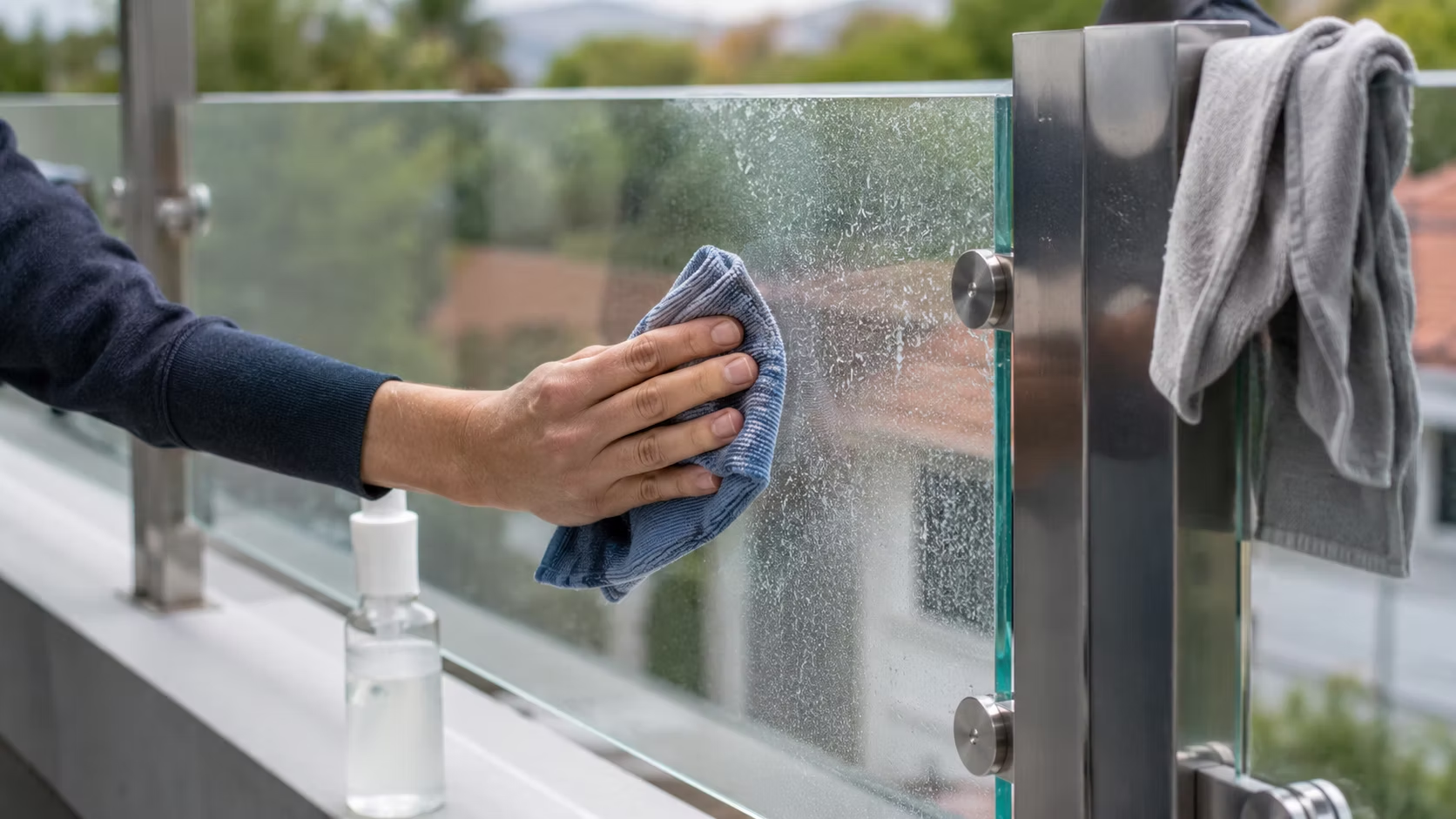
Choose a cool period of the day when the glass is not hot from direct sunlight. Cleaning solution can dry too quickly on warm glass, leaving streaks and making the surface more difficult to finish evenly.
For an exterior railing, place towels beneath the work area if runoff could reach finished flooring, walls or landscaping. For elevated balconies or staircases, clean only the surfaces you can access safely. Do not lean over a guardrail or use an unstable ladder to reach the exterior side.
1. Remove Loose Dirt and Rinse the Glass
Start by removing loose dust, leaves and other visible debris from the railing. Use clean water to rinse exterior panels or wipe interior glass gently with a damp microfiber cloth.
Rinsing before scrubbing is important because dry dirt may contain small abrasive particles. Dragging these particles across the surface can scratch the glass.
Work from the top of each panel toward the bottom. This prevents dirty water from running over areas that have already been cleaned.
Pay particular attention to:
- Bottom channels and base shoes
- Panel corners
- Spaces around posts and clamps
- Areas beneath handrails
- Exterior edges exposed to rain and wind
If dirt is stuck to the glass, soak the area with water and allow it to loosen. Do not immediately scrape it with a blade or other sharp object.
For railings near roads, construction sites or landscaped areas, a more thorough rinse may be necessary to remove grit before applying a cloth or squeegee.
2. Apply a Glass-Safe Cleaning Solution
Add a small amount of mild dish soap to clean water or use a non-abrasive cleaner approved for glass. Excess soap is not necessary and may leave a film behind.
Apply the solution with a clean microfiber cloth, soft sponge or non-abrasive applicator. Cover the surface evenly without allowing the cleaner to dry on the glass.
Use gentle, overlapping motions to loosen:
- Fingerprints
- Dust
- Light grease
- Rain residue
- Pollen
- General surface marks
For exterior railings, work on one panel at a time. Cleaning smaller sections prevents the solution from drying before it can be removed.
Do not mix different cleaning products. Avoid cleaners containing abrasive particles or strong chemicals unless they are specifically approved by the glass and hardware manufacturers.
If the railing has tinted, etched or coated glass, test the cleaner in a discreet area first. Specialty surfaces can respond differently from standard clear glass.
3. Clean Both Sides of the Glass
Cleaning only the most visible surface often leaves the railing looking cloudy because fingerprints, rain spots or dust remain on the opposite side.
Clean both sides using the same rinse, wash and drying process. On interior stair railings, one side may collect fingerprints while the other gathers airborne dust. Exterior balcony panels may develop heavier buildup on the side exposed to wind and rain.
Work methodically from one end of the railing to the other. This makes it easier to identify whether a remaining mark is on the near side or the opposite surface.
When cleaning exterior glass on a balcony, terrace or elevated staircase, do not reach beyond the railing or place your weight against the glass. If the exterior surface cannot be accessed safely, use a qualified cleaning professional with suitable equipment.
Inspect the edges of laminated panels and the areas around seals and gaskets. Avoid flooding these components with cleaning solution, and dry any remaining moisture promptly.
4. Remove the Solution with a Squeegee
Use a clean squeegee with a soft rubber blade to remove the cleaning solution before it dries.
Begin at the top of the panel and pull the squeegee downward in controlled, overlapping strokes. Wipe the rubber blade with a clean cloth after each pass so dirt and residue are not transferred back onto the glass.
Keep metal parts of the squeegee away from the glass surface. Only the clean rubber blade should make contact with the panel.
For narrow panels, horizontal strokes may be easier, but maintain a consistent direction. Irregular movements can leave water lines and missed sections.
Pay attention to the bottom edge of the glass, where cleaning solution may collect. Remove the runoff before it dries or reaches adjacent channels, sealants and finished surfaces.
If streaks remain, check the squeegee blade for damage, dirt or hardened residue. A worn or contaminated blade may redistribute water instead of removing it.
5. Dry the Glass with a Microfiber Cloth
Finish by drying panel edges, corners and any areas the squeegee could not reach. Use a clean, dry microfiber cloth that has not been exposed to grit or metal polish.
Buff remaining streaks lightly rather than pressing hard against the glass. If a mark does not move, inspect it more closely before applying additional pressure. It may be a mineral deposit, adhesive residue or damage rather than ordinary dirt.
Dry the following areas carefully:
- Glass edges
- Bottom channels
- Mounting points
- Clamps and posts
- Handrails
- Gaskets and sealants
- Adjacent floors and walls
Leaving water on frames, hardware or seals may contribute to spotting and residue. Complete drying is especially important for exterior railings exposed to coastal moisture or frequent rain.
Once the railing is dry, inspect the panels from different angles. Changing the viewing angle makes streaks and remaining marks easier to see.
How to Remove Hard Water Stains from Glass Railings
Hard water stains form when water evaporates and leaves mineral deposits behind. They commonly appear as cloudy patches, white spots or rings on exterior glass railings exposed to sprinklers, rain runoff or repeated washing without proper drying.
Begin with the standard cleaning process. Some light deposits may disappear after the glass is rinsed, washed and dried correctly.
If marks remain, follow these steps:
- Confirm that the glass does not have an exposed coating requiring special care.
- Test the proposed cleaner on a small, inconspicuous area.
- Apply a diluted white vinegar solution—approximately one part vinegar to ten parts water—or use a manufacturer-approved mineral deposit remover.
- Apply the solution with a soft microfiber cloth rather than an abrasive pad.
- Allow brief contact with the stained area without letting the solution dry.
- Wipe gently and rinse thoroughly with clean water.
- Remove the water with a squeegee and dry the panel edges and hardware.
Avoid allowing acidic cleaning solutions to sit on metal components, stone, concrete, sealants or coated finishes. Protect adjacent materials and rinse accidental contact promptly.
Do not use razor blades, metal scrapers, harsh acids or abrasive polishing products. These methods may scratch the panel, damage coatings or create a visible difference between treated and untreated areas.
Severe mineral staining may not be removable through routine cleaning. Long-term deposits can bond strongly to the surface or contribute to etching. If gentle treatment does not improve the appearance, consult the glass supplier or a qualified restoration professional before trying a stronger product.
How to Clean Glass Railing Frames and Hardware
Glass railing systems may include stainless steel, aluminum, powder-coated metal, posts, clamps, base shoes, channels, handrails or stand-off fittings. These components should be cleaned separately from the glass.
For routine maintenance:
- Remove loose dust using a clean, soft cloth.
- Wipe the hardware with clean water and mild soap.
- Use a soft-bristle brush around narrow gaps when necessary.
- Rinse away soap residue with a damp cloth.
- Dry the metal completely with a separate microfiber towel.
Do not use the same cloth for heavily soiled metal and clear glass. Small metal particles or exterior grit transferred to the glass may cause scratches.
For brushed stainless steel, wipe in the direction of the visible grain. Avoid steel wool and harsh chlorine-based cleaners, which may damage the surface or contribute to discolouration.
Powder-coated aluminum should be cleaned with mild soap and water. Avoid abrasive pads, aggressive solvents and polishing compounds unless the finish manufacturer specifically approves them.
Inspect the mounting components while cleaning. Look for loose caps, damaged seals, unusual movement, corrosion, chipped coatings or accumulated debris around drainage areas. Cleaning is not a substitute for structural inspection or repair. If a panel, post or handrail moves unexpectedly, stop using the affected area and have the railing assessed.
Maintenance requirements may differ between balcony guards and glass railing systems for staircases. The surrounding materials, hardware configuration and level of daily contact can all affect how frequently individual components need attention.
Homeowners, builders and property managers comparing different configurations can also review the main characteristics of glass and metal railing systems in BC.
How Often Should You Clean Glass Railings?
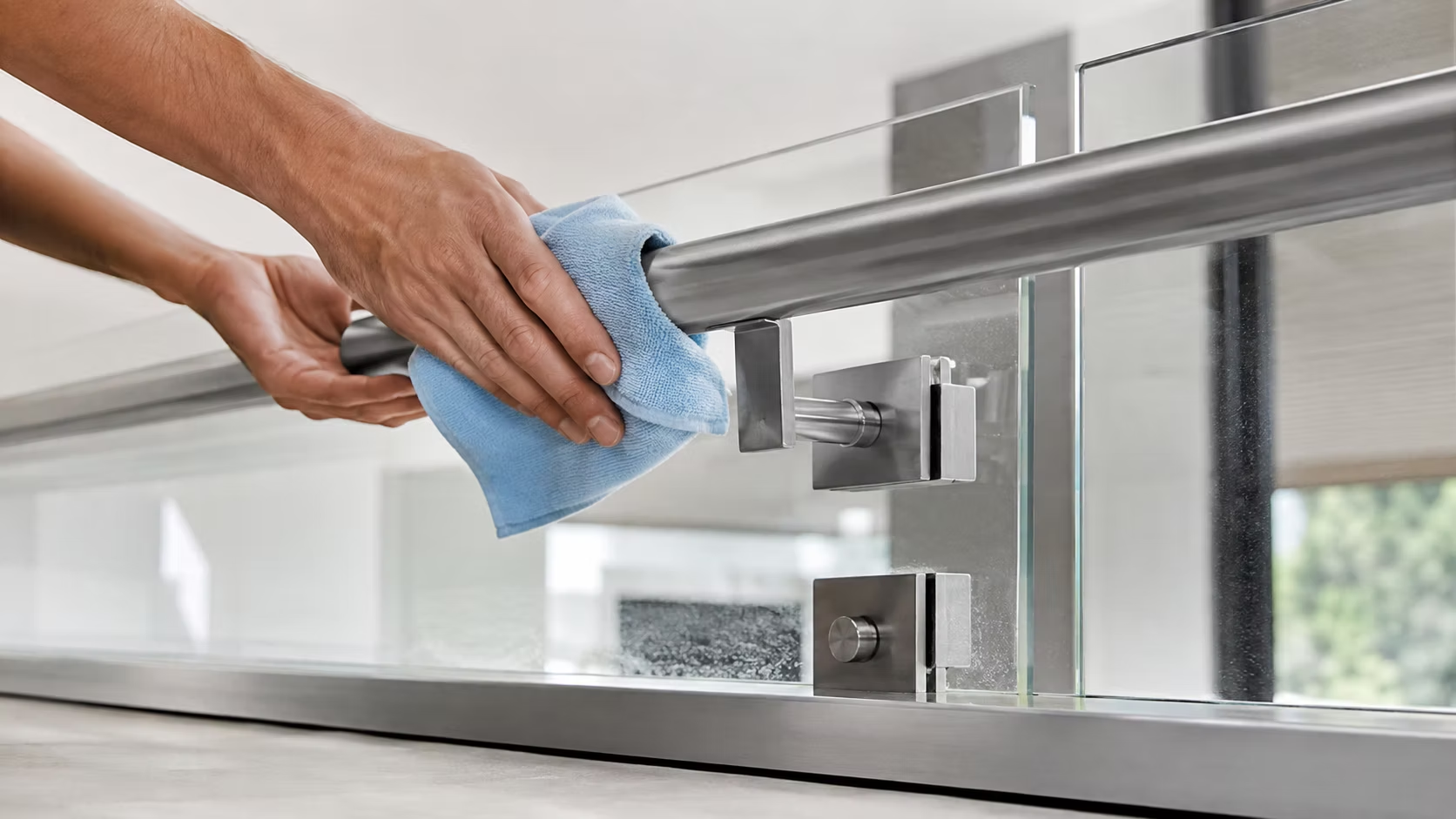
There is no single schedule suitable for every railing. Cleaning frequency depends on location, weather exposure, traffic and the appearance you want to maintain.
As a general starting point:
- Interior residential railings may need cleaning every one to three months.
- High-touch staircase railings may need light cleaning more frequently.
- Exterior balcony and deck railings can be inspected monthly and cleaned when visible residue appears.
- Coastal, industrial or high-traffic environments may require more frequent washing.
- Commercial and multi-family railings may need a scheduled maintenance program.
Fingerprints and minor marks can be removed between full cleanings with a clean microfiber cloth and an approved glass cleaner.
Exterior glass should be cleaned more often when exposed to:
- Salt or coastal air
- Sprinkler overspray
- Construction dust
- Tree sap and pollen
- Bird droppings
- Road dust
- Frequent rainwater runoff
Do not wait for heavy deposits to develop. Light, regular cleaning is typically easier and requires less aggressive treatment than removing months of accumulated mineral residue.
Owners considering a new system or replacement can review the factors affecting glass railing cost in Vancouver, including glass specifications, hardware, layout and exterior exposure.
Common Glass Railing Cleaning Mistakes to Avoid
Incorrect cleaning methods can leave streaks, damage finishes or permanently scratch glass. Avoid the following mistakes:
- Cleaning dusty glass without rinsing it first
- Using paper towels or dirty cloths that leave lint or grit
- Applying abrasive powders or scouring pads
- Using razor blades or metal scrapers
- Allowing the squeegee’s metal parts to touch the glass
- Cleaning hot glass in direct sunlight
- Letting cleaning solution dry on the panels
- Using too much soap
- Mixing different cleaning chemicals
- Leaving water on frames, seals or hardware
- Applying acidic cleaners directly to metal components
- Using the same dirty cloth on glass and hardware
- Leaning over an elevated railing to reach the exterior surface
- Ignoring movement, loose hardware or damaged seals
Always test an unfamiliar product on a small area and follow any care instructions provided for the specific glass, coating or metal finish.
Routine cleaning can preserve clarity, improve appearance and make developing hardware issues easier to notice. However, it cannot correct scratched glass, failed coatings, loose structural connections or damaged components.
If a railing requires repair, replacement or professional evaluation, custom glass guardrails in Vancouver should be assessed according to the complete system—not only the condition of the visible glass.